The world of hair care is vast and varied, with an array of products and tools designed to cater to different hair types and styles. When it comes to the basics, the choice between a comb and a brush might seem straightforward, but the decision is not as simple as it appears. Each tool serves a unique purpose and is better suited for specific hair types and conditions. In this article, we will unravel the tangle of hair care and explore the differences between combs and brushes, helping you make an informed decision for your daily hair care routine.
The Mighty Comb
Combs have been a staple in hair care for centuries, with their simple yet effective design. Combs come in various shapes, sizes, and materials, each serving a specific function. The most common types include wide-tooth combs, fine-tooth combs, and detangling combs.
- Wide-Tooth Comb:
- Ideal for wet hair, wide-tooth combs gently detangle without causing breakage.
- Perfect for distributing conditioner evenly through the strands.
- Fine-Tooth Comb:
- Best suited for styling and creating precise parts.
- Effective in smoothing hair and taming flyaways.
- Detangling Comb:
- Designed with widely spaced teeth to minimize hair breakage.
- Excellent for removing knots and tangles with minimal effort.
Pros of Using a Comb:
- Gentle on wet hair, minimizing breakage.
- Ideal for distributing products evenly through the hair.
- Suitable for various hair types, including curly and wavy hair.
The Powerful Brush
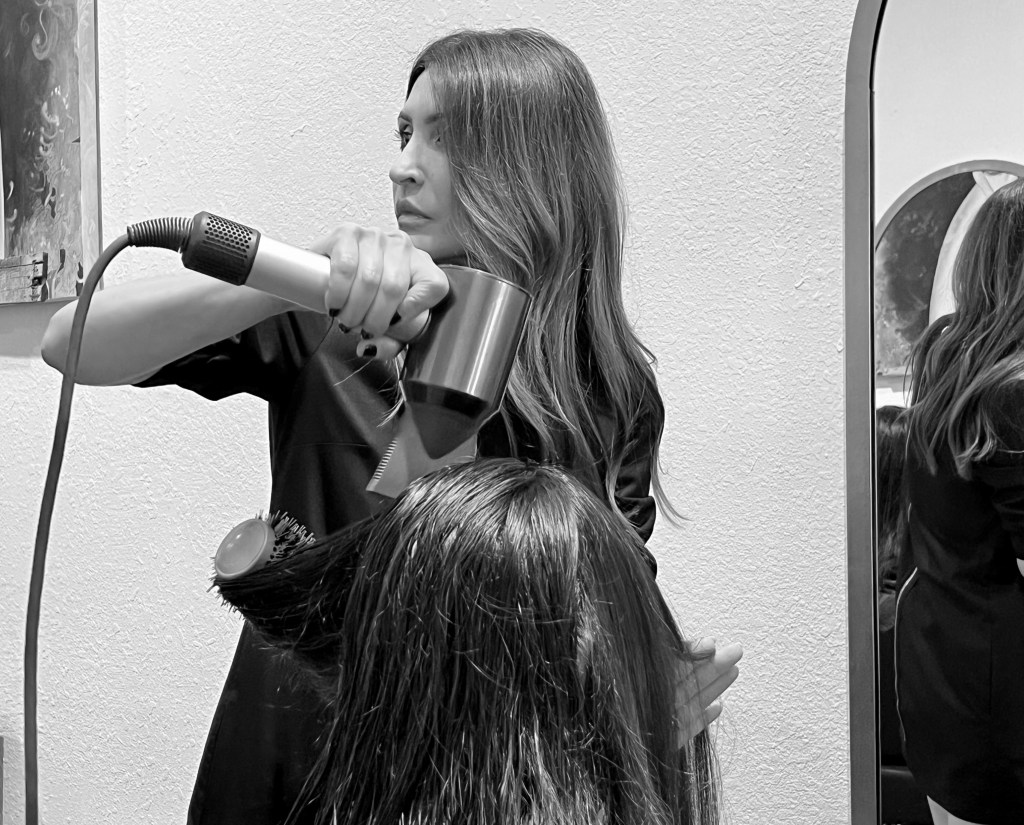
Brushes, on the other hand, come in a variety of shapes and bristle types, making them versatile for different hair needs. The most common types of brushes include paddle brushes, round brushes, and boar bristle brushes.
- Paddle Brush:
- Great for detangling and smoothing long, straight hair.
- The large surface area covers more hair, making it efficient for quick styling.
- Round Brush:
- Perfect for creating volume and curls during blow-drying.
- The cylindrical shape allows for versatile styling.
- Boar Bristle Brush:
- Distributes natural oils from the scalp, promoting shine and reducing frizz.
- Ideal for fine hair that requires gentle styling.
Pros of Using a Brush:
- Efficient in smoothing and styling hair quickly.
- Helps distribute natural oils, promoting healthier hair.
- Great for styling and adding volume.
Choosing the Right Tool for Your Hair
The choice between a comb and a brush ultimately depends on your hair type, styling preferences, and the specific task at hand. Here are some guidelines to help you make the right decision:
- Hair Type:
- For thick or curly hair, a wide-tooth comb or a detangling brush is a great choice.
- Fine or straight hair may benefit from the smoothing effects of a paddle brush or a round brush.
- Styling Needs:
- If you often style your hair with heat tools, a round brush or paddle brush can aid in achieving the desired look.
- For simple detangling and everyday use, a wide-tooth comb or detangling comb is a gentle option.
- Wet vs. Dry Hair:
- Combs are generally gentler on wet hair, making them suitable for post-shower detangling.
- Brushes are efficient for styling dry hair and distributing natural oils.
Conclusion
In the comb vs. brush debate, there’s no one-size-fits-all answer. Both tools have their merits and are valuable in different scenarios. Understanding your hair type, styling preferences, and the task at hand will guide you in choosing the right tool for a seamless and effective hair care routine. Whether you opt for the precision of a fine-tooth comb or the versatility of a paddle brush, incorporating the right tool into your routine will contribute to the health and beauty of your locks.

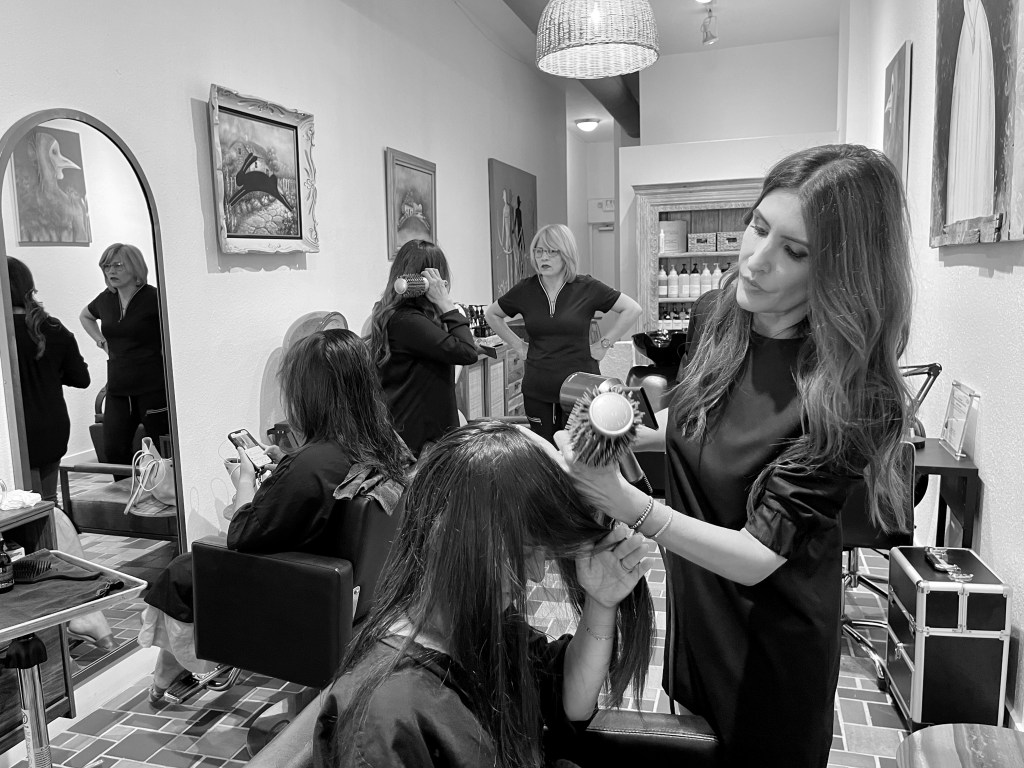
 AD Beauty Atelier by Adys Duardo